Earthship Homes Slash Utility Bills With Recycled Design
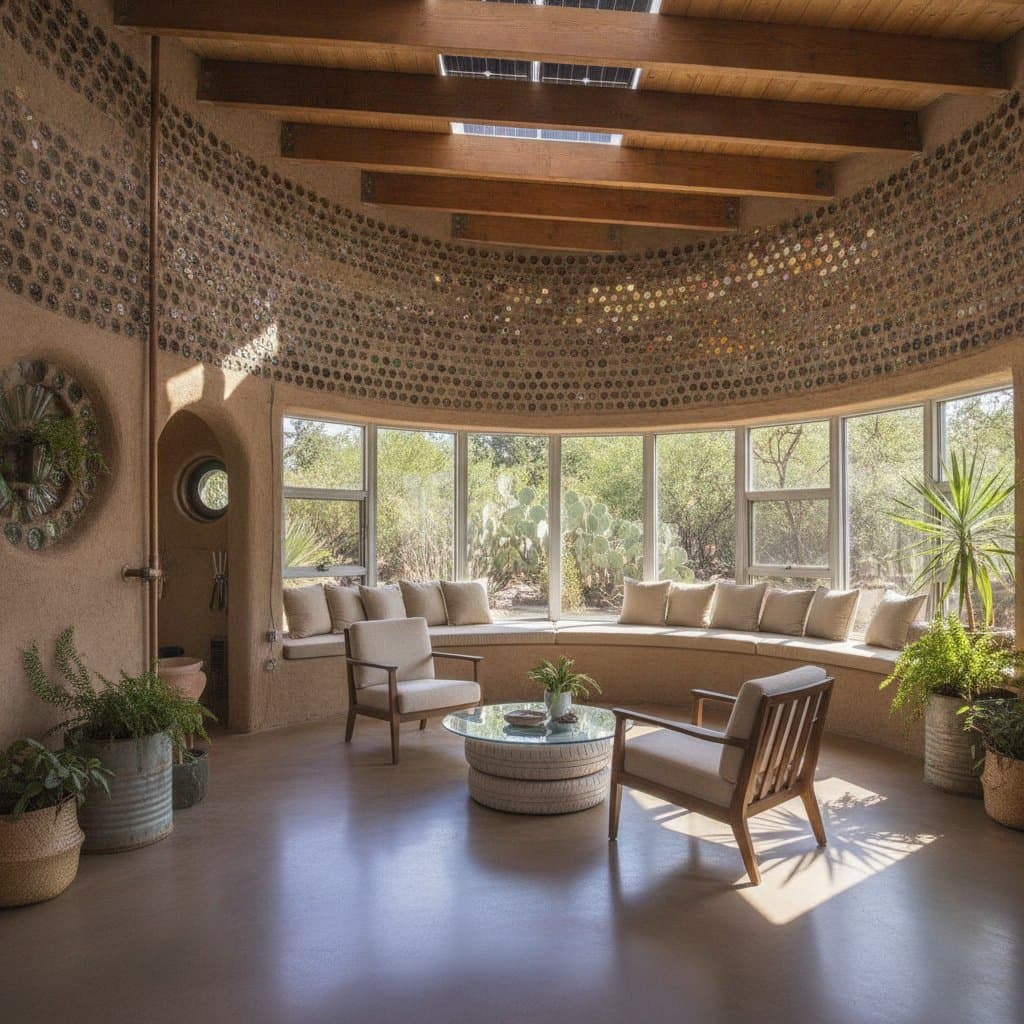
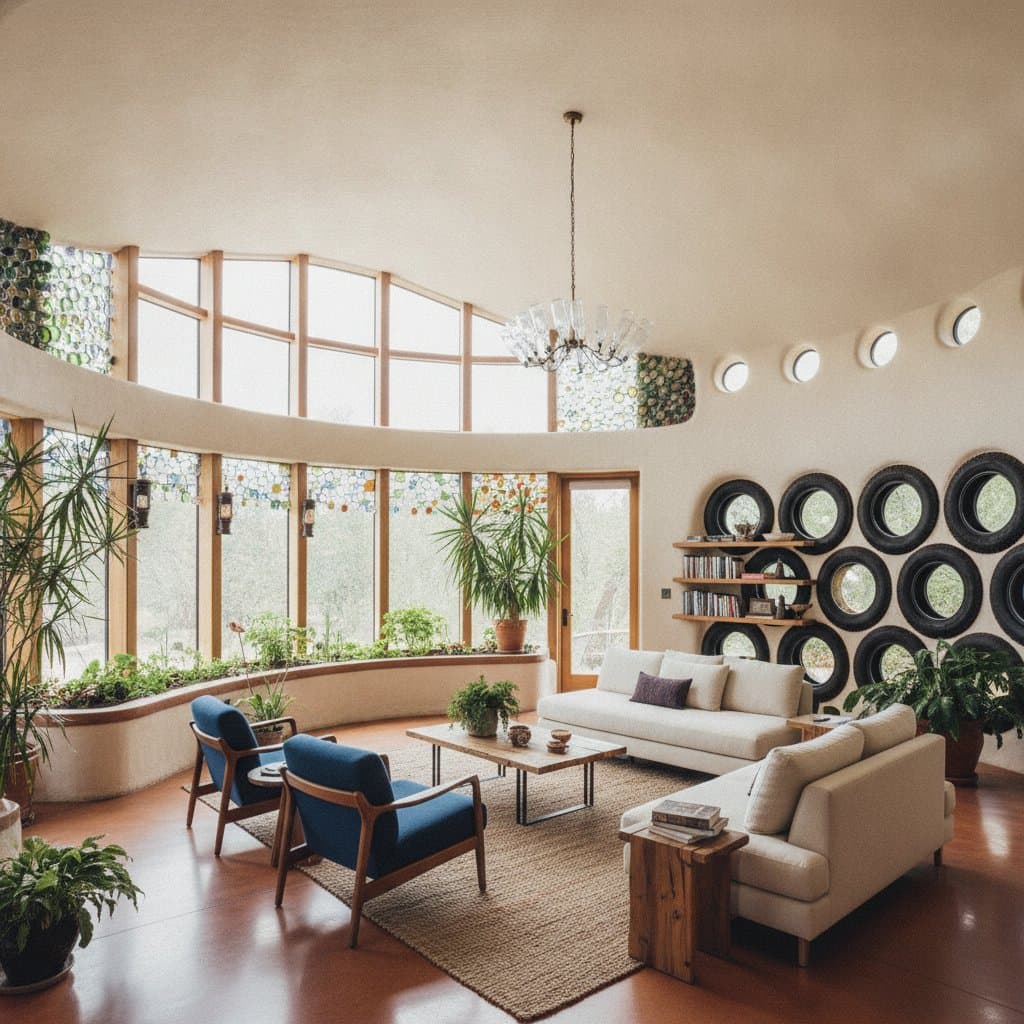
Earthship homes merge recycled materials with off-grid systems to generate power, harvest water, and maintain comfortable temperatures without utility costs.

Earthship homes merge recycled materials with off-grid systems to generate power, harvest water, and maintain comfortable temperatures without utility costs.

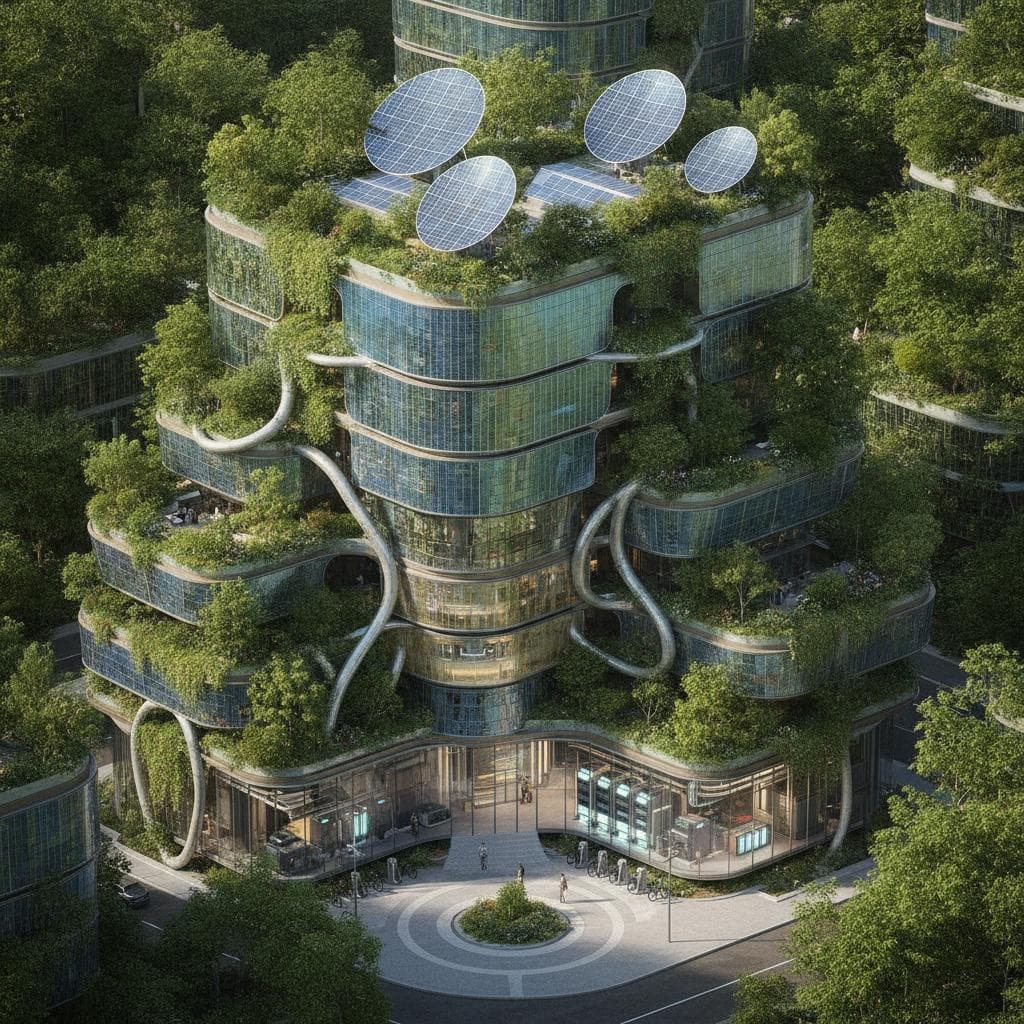
Solarpunk architecture transforms buildings into energy-producing ecosystems through solar integration, vertical gardens, and resource-efficient design that supports both residents and the environment.

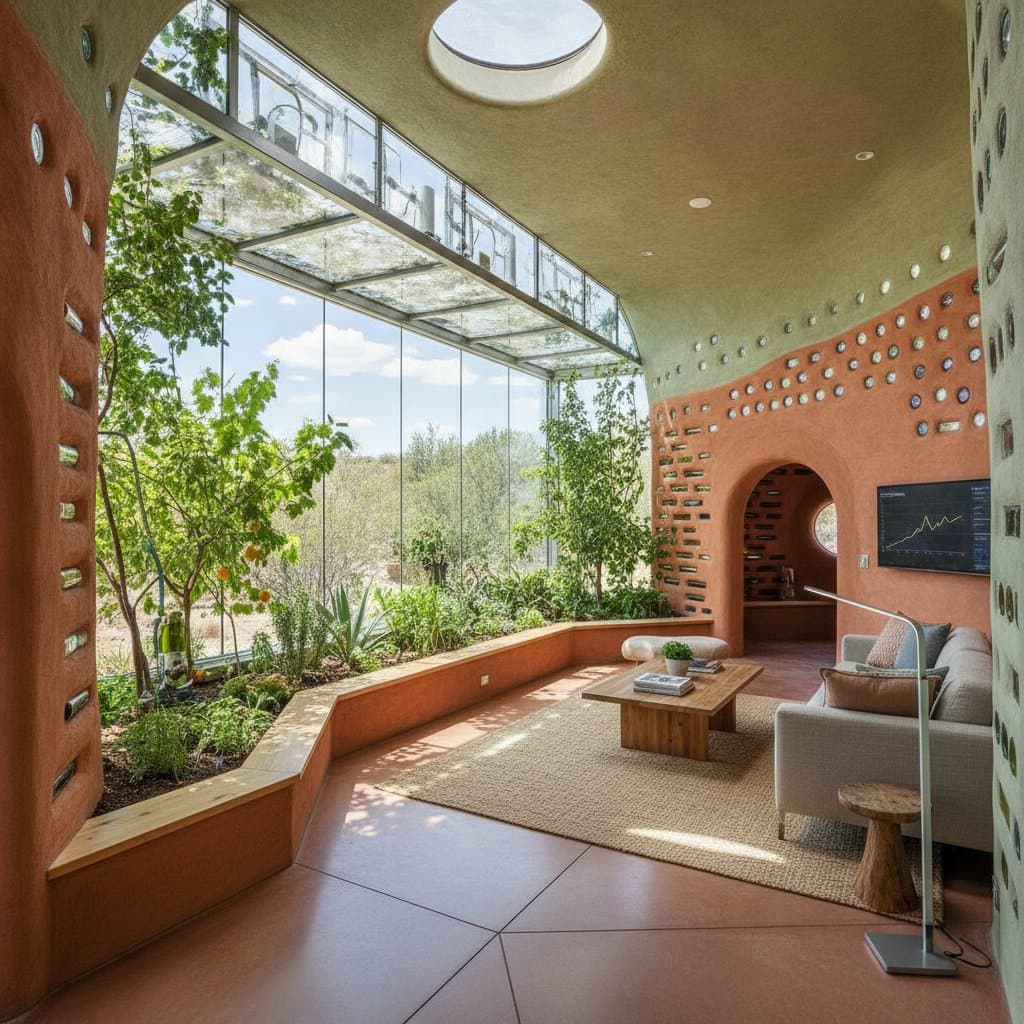
Earthships combine off-grid power generation, water harvesting, and natural temperature control in homes built from recycled materials. Discover the design principles, construction steps, and practical considerations for this sustainable approach to living.

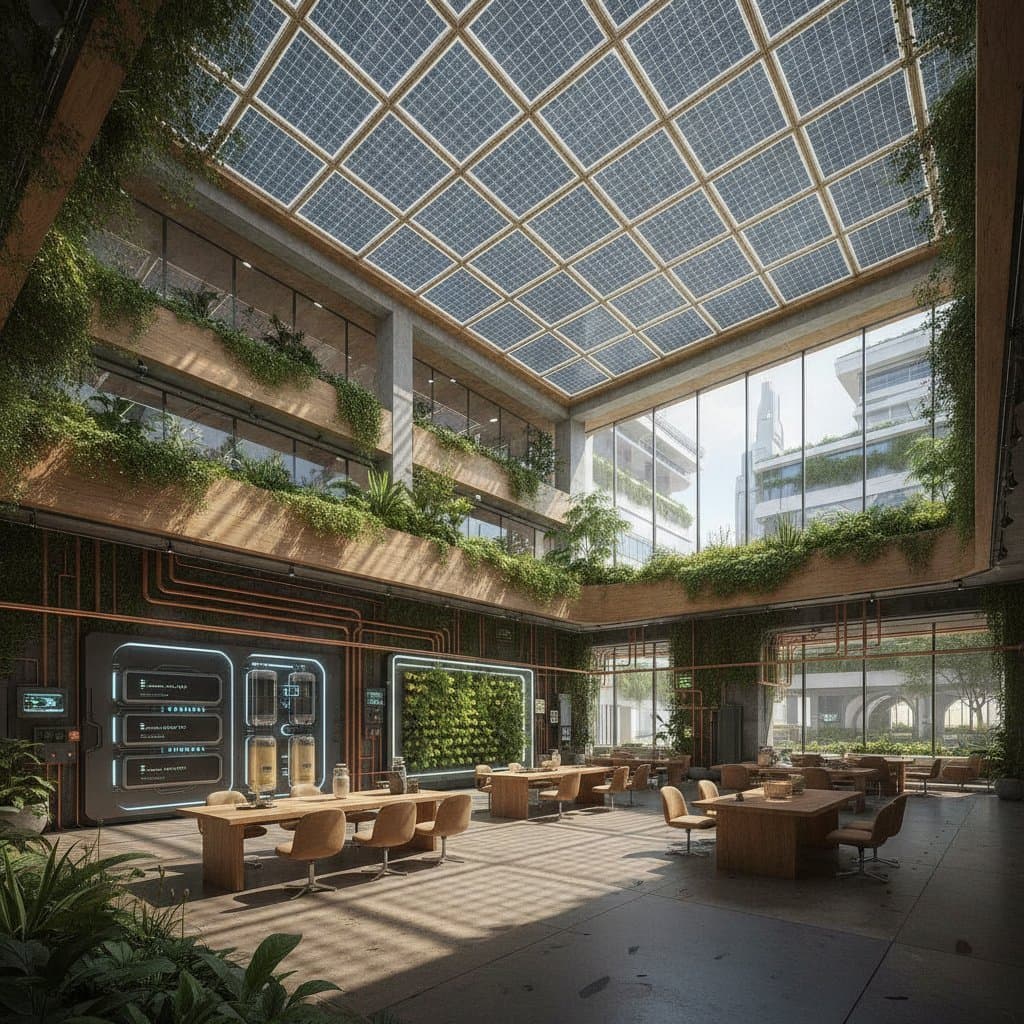
Algorithm-driven architecture merges data inputs with design rules to generate efficient forms, dynamic facades, and optimized layouts that respond to climate, cost, and use patterns.

Parametric facades merge mathematics and artistry to create buildings that adapt to light, climate, and context. Through algorithmic design, architects craft responsive surfaces that optimize performance and aesthetics. This data-driven approach transforms static structures into living systems that balance beauty, efficiency, and innovation.
Read more
Earthship homes turn recycled materials into self sufficient dwellings that generate power, collect water, and regulate temperature naturally. They combine sustainable design with cost efficiency to deliver independence from traditional utilities.
Read more
Wabi-sabi design values imperfection and natural materials. Learn practical steps to simplify spaces, highlight authentic textures, and build rooms that age gracefully.

Algorithmic facades redefine architecture by combining art, data, and sustainability into responsive building surfaces. These intelligent systems adjust to light, climate, and occupancy to improve comfort and efficiency. As computational design advances, buildings become dynamic entities that interact meaningfully with their surroundings.

Fragmented deconstructivist interiors embrace asymmetry, layered materials, and expressive geometry to create dynamic, livable spaces. Rejecting minimalist perfection, this trend celebrates imperfection, individuality, and craftsmanship. From angled walls to fractured light, it blends art and function, offering homeowners a bold, authentic way to redefine comfort, structure, and modern home design.

Color-shifting facades employ specialized coatings and panels that alter appearance with light angle and viewer position. The approach combines visual movement with measurable gains in energy efficiency and reduced maintenance across museums, offices, and homes.

Earthship homes deliver self-sufficient living through rainwater collection, solar generation, and earth-packed walls that maintain steady indoor temperatures. Built with recycled materials, these dwellings provide long-term savings and environmental resilience without reliance on public utilities.